Is Cosmetic Dental Bonding Right For Me?
 If you’re unhappy with small imperfections in your smile but aren’t quite ready for a more extensive cosmetic procedure, cosmetic dental bonding may be worth considering. This versatile treatment has become increasingly popular for patients who want noticeable improvements without committing to more involved dental work.
Using tooth-colored materials that closely mimic natural enamel, our renowned Beverly Hills cosmetic dentist can use bonding to improve overall smile harmony. When performed thoughtfully, bonding can deliver beautiful, natural-looking results in a relatively short amount of time.
With this in mind, bonding isn’t the right choice for everyone, and understanding when it works best is key to achieving a smile you’ll love. Continue reading to learn whether you may be a candidate for cosmetic bonding.
What Is Cosmetic Dental Bonding?
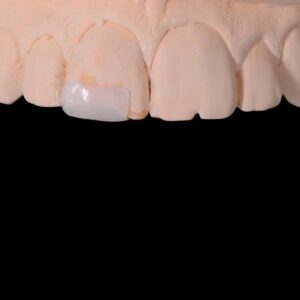 Dental bonding involves applying a carefully selected material to the surface of a tooth to restore or enhance its appearance. The material is shaped directly onto the tooth, hardened, and polished to blend beautifully with the surrounding enamel.
Because bonding focuses on targeted improvements rather than full coverage, it’s often considered a conservative cosmetic option. As such, it can be particularly appealing for patients who want to address specific concerns without significantly altering their natural teeth. Additionally, bonding can be used on a single tooth or multiple teeth depending on the goals of treatment, and is often completed in one visit.
Who Is a Good Candidate For Cosmetic Dental Bonding?
Cosmetic dental bonding is often best suited for individuals with minor to moderate aesthetic concerns. If your teeth are generally healthy but have small flaws that draw your eye when you smile, bonding may offer an effective solution. Common concerns that bonding can help improve include small chips or cracks, uneven edges, gaps between teeth, and areas of discoloration that don’t respond well to whitening.
While dental bonding can be transformative in the right situations, it isn’t ideal for every cosmetic concern. Patients with extensive tooth damage or significant bite issues may benefit more from other treatments, such as porcelain veneers or Invisalign®.
For this reason, a personalized evaluation is essential. Choosing bonding simply because it seems quicker or less involved can lead to disappointment if it isn’t matched to your needs. Dr. Sands takes a conservative, thoughtful approach, helping patients understand when bonding may be best – and when another option may provide a better outcome.
Composite Bonding vs. Porcelain-Based Bonding
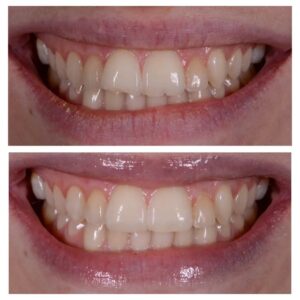 Not all dental bonding is the same. Traditional composite bonding is often ideal for small repairs and subtle refinements, but patients may desire a more polished appearance or enhanced durability without moving to full veneers.
For these situations, Dr. Sands may recommend a refined porcelain-based bonding approach, sometimes referred to as “snowcap” porcelain bonding. This technique focuses on enhancing the most visible areas of the tooth, such as the biting edge or front surface, using ceramic-like materials selected for their strength and natural translucency. It bridges the gap between composite bonding and veneers, creating a more elevated aesthetic while remaining conservative in scope.
How Long Do Results Last?
One of the most common questions patients ask is how long cosmetic dental bonding will hold up. Longevity depends on several factors, including the material used, the location of the bonding, and how well the teeth are cared for afterward. With proper oral hygiene and routine dental visits, bonding can last for several years before needing maintenance or replacement.
Avoiding habits like biting on hard objects, using teeth as tools, or frequently consuming highly staining foods and drinks can help preserve results. Dr. Sands will provide guidance on how to protect bonded teeth so patients can enjoy their enhanced smiles as long as possible.
Bonding as Part of a Bigger Smile Plan
In many cases, cosmetic dental bonding works best as part of a broader smile strategy. Some patients choose to combine bonding with professional teeth whitening, while others may use it to complement veneers or other aesthetic treatments.
In fact, bonding is a common addition to the comprehensive smile makeover procedure. This customizable option allows Dr. Sands to address multiple concerns at once and produce the star-quality smile you’ve always dreamed of!
Is Cosmetic Dental Bonding Right for You?
Ultimately, cosmetic dental bonding can be an excellent choice for the right patient. If you’re considering cosmetic dental bonding or exploring alternatives like porcelain veneers, scheduling a consultation with Dr. Kevin Sands is the best next step. With expert guidance and a personalized approach, you can move forward with confidence knowing your smile is in capable hands.
Previous Post